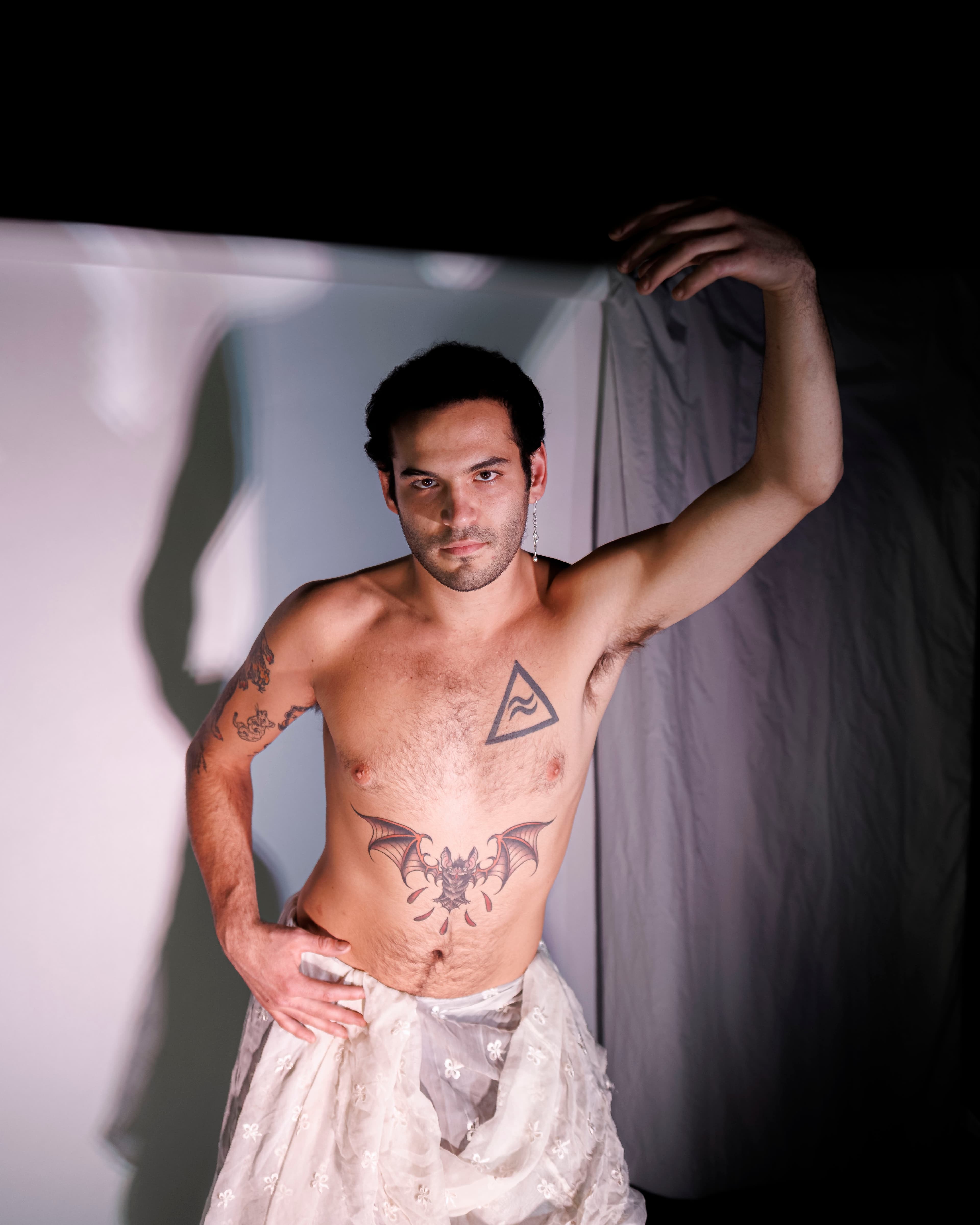
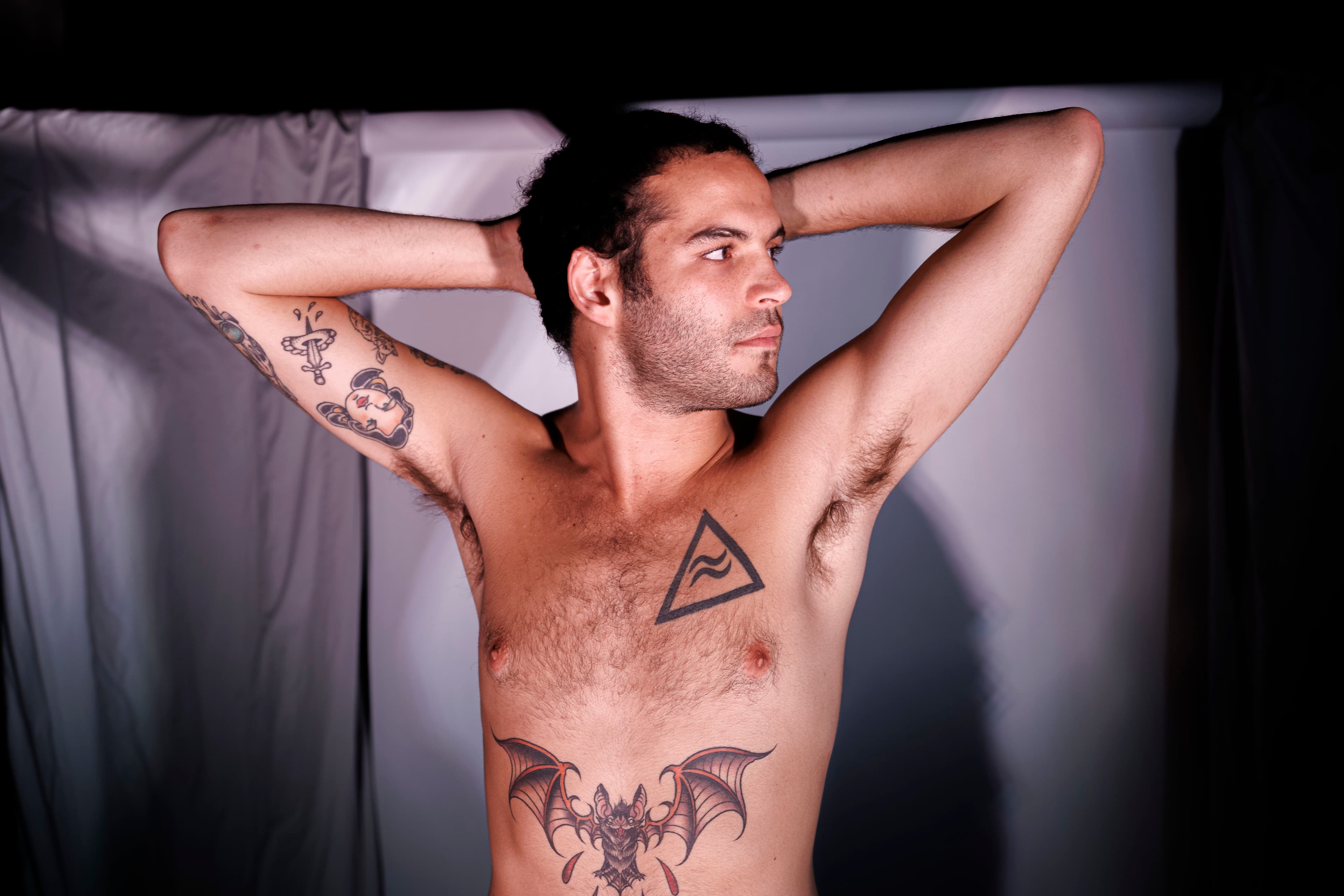
Giovanni Orsini’s music isn’t confined to the stage or the studio—it’s sprawled across basements, rooftops, and the underbelly of Pittsburgh’s DIY scene. From makeshift rehearsal spaces to house shows that became local legend, Orsini has spent years cultivating more than just sound; he’s nurtured a community, a culture, and a network of musicians who feel more like family than collaborators.
“It was just like life upheaval. And then, those dudes–God bless their souls, the best guys I know–we went into a space in McKees Rocks. So that's kind of when I… got a rehearsal space with Tony from Bowling guys and then built a studio in there between all of our collective stuff and then we just moved to the one in Etna a couple of months ago,” he says, describing the winding path to the current Death Club studio setup.”
The early days were gritty. “ABC (studios) was half as much, but like I’m not sick every two days because of mold…but like that building had like half the Pittsburgh bands in it. Like all the punk bands, hardcore bands, half of the scene in Pittsburgh was like, in that building. It was kind of crazy.”
“It was just like life upheaval. And then, those dudes–God bless their souls, the best guys I know–we went into a space in McKees Rocks. So that's kind of when I… got a rehearsal space with Tony from Bowling guys and then built a studio in there between all of our collective stuff and then we just moved to the one in Etna a couple of months ago,” he says, describing the winding path to the current Death Club studio setup.”
The early days were gritty. “ABC (studios) was half as much, but like I’m not sick every two days because of mold…but like that building had like half the Pittsburgh bands in it. Like all the punk bands, hardcore bands, half of the scene in Pittsburgh was like, in that building. It was kind of crazy.”
Across the hall, an empty concrete room—metal walls and bare floors—earned a nickname that captured its chaotic purpose: the piss room. “So when people would get hammered, they could piss in there, and it would make our room smell like piss,” Orsini recalls with a laugh. Bands like Speed Plants, EKGs, and Silver Car Crash were part of the same ecosystem, all navigating the rough, DIY landscape of Pittsburgh’s underground.
Despite the chaotic disorder, Orsini’s memories of these early spaces are steeped in affection. “We broke into the security office there one day and I ended up–through another guy– getting a key to the rest of the building… security cameras, we found out because we were looking at the computers, We kicked in the (security room) door… it (the footage) would wipe every 10 days. It was just like, yeah, you could walk up five flights of stairs and get onto the roof. During the pandemic, we would carry chairs and coolers up… We’d throw pandemic roof parties at Death Club. We’d just get fucked up and start climbing up on chimneys and shit. It’s like six stories.”
It was in this environment that Death Club’s lineup began to crystallize, but the path was anything but linear. “Stu (Lewis) and (Ryan) Hartman just had other shit going on, it wasn’t anything bad… they’re still my best friends friends, you know, it’s just like life shit. We had brought Brandon on as our second drummer two years before, just to be dickheads. Now that we're in our quiet era as a band, comparatively, it was just kind of like, all right, well, what are we going to do? Start fucking around teaching Jake (Kelley) bass.”
Despite the chaotic disorder, Orsini’s memories of these early spaces are steeped in affection. “We broke into the security office there one day and I ended up–through another guy– getting a key to the rest of the building… security cameras, we found out because we were looking at the computers, We kicked in the (security room) door… it (the footage) would wipe every 10 days. It was just like, yeah, you could walk up five flights of stairs and get onto the roof. During the pandemic, we would carry chairs and coolers up… We’d throw pandemic roof parties at Death Club. We’d just get fucked up and start climbing up on chimneys and shit. It’s like six stories.”
It was in this environment that Death Club’s lineup began to crystallize, but the path was anything but linear. “Stu (Lewis) and (Ryan) Hartman just had other shit going on, it wasn’t anything bad… they’re still my best friends friends, you know, it’s just like life shit. We had brought Brandon on as our second drummer two years before, just to be dickheads. Now that we're in our quiet era as a band, comparatively, it was just kind of like, all right, well, what are we going to do? Start fucking around teaching Jake (Kelley) bass.”
Orsini’s connection to Kenzy Gerard, their synth player and additional vocalist, illustrates his approach to collaboration: organic, unforced, and deeply personal. “She’d been in the scene for a long time, but I had never actually talked to her. I didn’t know her at all… she works at Spirit too, so we kind of started seeing each other… Last year we went to go see Osees at Spirit when they finally came to Pittsburgh… every Osees show, I’ve crowdsurfed almost immediately, and this is like, it’s a Monday night in Pittsburgh, and people are just kind of standing there; I was like I need to get this thing started. She was like, well, if you do it, I’ll do it too. So they keep their drums at the front of the stage, and I climbed up on his kick drum and started crowd surfing, and then within two seconds, she was up there. There’s a video of it somewhere. I had no idea she’d played music or anything. Like, I just thought she was hanging out and cool. We were crowd surfing and met hands in that moment and I was like, “we got to ask her to jam”. And then we did, and it turns out she had done an Ozzy Black Sabbath cover set like a year or two before at Government Center where she was Ozzy and killed it. I had no idea, but I remember being like, “This shit rules.””
The addition of new members brought a shift in dynamics but also sharpened focus. “Without Hartman and Stew, that’s a big hit because they were so influential… Hartman is probably the best guitar player I’ve ever met in my life, just in general–he’s nuts. Stew… was such a rock and a glue for everything. The dynamic shift was pretty intense… but within a week, we started fucking around the three of us and it was like, oh, we’ll be fine… Bringing Kenzy in as like somebody that glues everything together and bouncing ideas off of–dynamics are always going to change in bands… but it’s the people around that give a shit, who actually care naturally, that organically give a fuck–if people are doing it for any other reason then it’s not going to work, there’s no point in trying.”
Orsini’s relationship to Pittsburgh and Morgantown’s music scenes is equally personal. He recounts DIY venues, house shows, and legendary spaces with reverence. On the locally famed venue The Deli, he recalls, “Max and Gwen and Lizzie started it… we played one of their opening shows. That was probably like the whole encapsulation of a lot of Oakland shit for me… that was one of my favorites; that, The Bushnell, Eden–which was also Ba Sing Se… the Bushnell was Bushnell and then it (became) Lavender Town. Yeah, everything got like a video game or cartoon for a second. Lavender Town from Pokemon.”
Morgantown is treated with the same intensity, despite its smaller scale. “Morgantown's mini Pittsburgh. Like, Pittsburgh is like five separate Morgantown scenes that are intermingled. Yeah, because it's so small. But Morgantown has 123 Pleasant Street, which is, I think, the greatest band of all time.”
Social media, for Orsini, is a necessary evil. “I still have a FaceBook, haven’t looked at it in three years. Still have an Instagram because I have to for music, because the band doesn’t have an Instagram page… I hate it. I hate doing all that shit. I get it, you need it, it’s like the world, but it just pisses me off. What’s worked best for us is if it’s my Instagram, I post it like it’s me doing it and people are like “Your brand is so cool,” and that makes me angry first of all… I think for The Draft we will make one, for when the record comes out next year, but I hope I’m not in charge of it because I will not take it seriously; I will fuck around with it.”
The addition of new members brought a shift in dynamics but also sharpened focus. “Without Hartman and Stew, that’s a big hit because they were so influential… Hartman is probably the best guitar player I’ve ever met in my life, just in general–he’s nuts. Stew… was such a rock and a glue for everything. The dynamic shift was pretty intense… but within a week, we started fucking around the three of us and it was like, oh, we’ll be fine… Bringing Kenzy in as like somebody that glues everything together and bouncing ideas off of–dynamics are always going to change in bands… but it’s the people around that give a shit, who actually care naturally, that organically give a fuck–if people are doing it for any other reason then it’s not going to work, there’s no point in trying.”
Orsini’s relationship to Pittsburgh and Morgantown’s music scenes is equally personal. He recounts DIY venues, house shows, and legendary spaces with reverence. On the locally famed venue The Deli, he recalls, “Max and Gwen and Lizzie started it… we played one of their opening shows. That was probably like the whole encapsulation of a lot of Oakland shit for me… that was one of my favorites; that, The Bushnell, Eden–which was also Ba Sing Se… the Bushnell was Bushnell and then it (became) Lavender Town. Yeah, everything got like a video game or cartoon for a second. Lavender Town from Pokemon.”
Morgantown is treated with the same intensity, despite its smaller scale. “Morgantown's mini Pittsburgh. Like, Pittsburgh is like five separate Morgantown scenes that are intermingled. Yeah, because it's so small. But Morgantown has 123 Pleasant Street, which is, I think, the greatest band of all time.”
Social media, for Orsini, is a necessary evil. “I still have a FaceBook, haven’t looked at it in three years. Still have an Instagram because I have to for music, because the band doesn’t have an Instagram page… I hate it. I hate doing all that shit. I get it, you need it, it’s like the world, but it just pisses me off. What’s worked best for us is if it’s my Instagram, I post it like it’s me doing it and people are like “Your brand is so cool,” and that makes me angry first of all… I think for The Draft we will make one, for when the record comes out next year, but I hope I’m not in charge of it because I will not take it seriously; I will fuck around with it.”
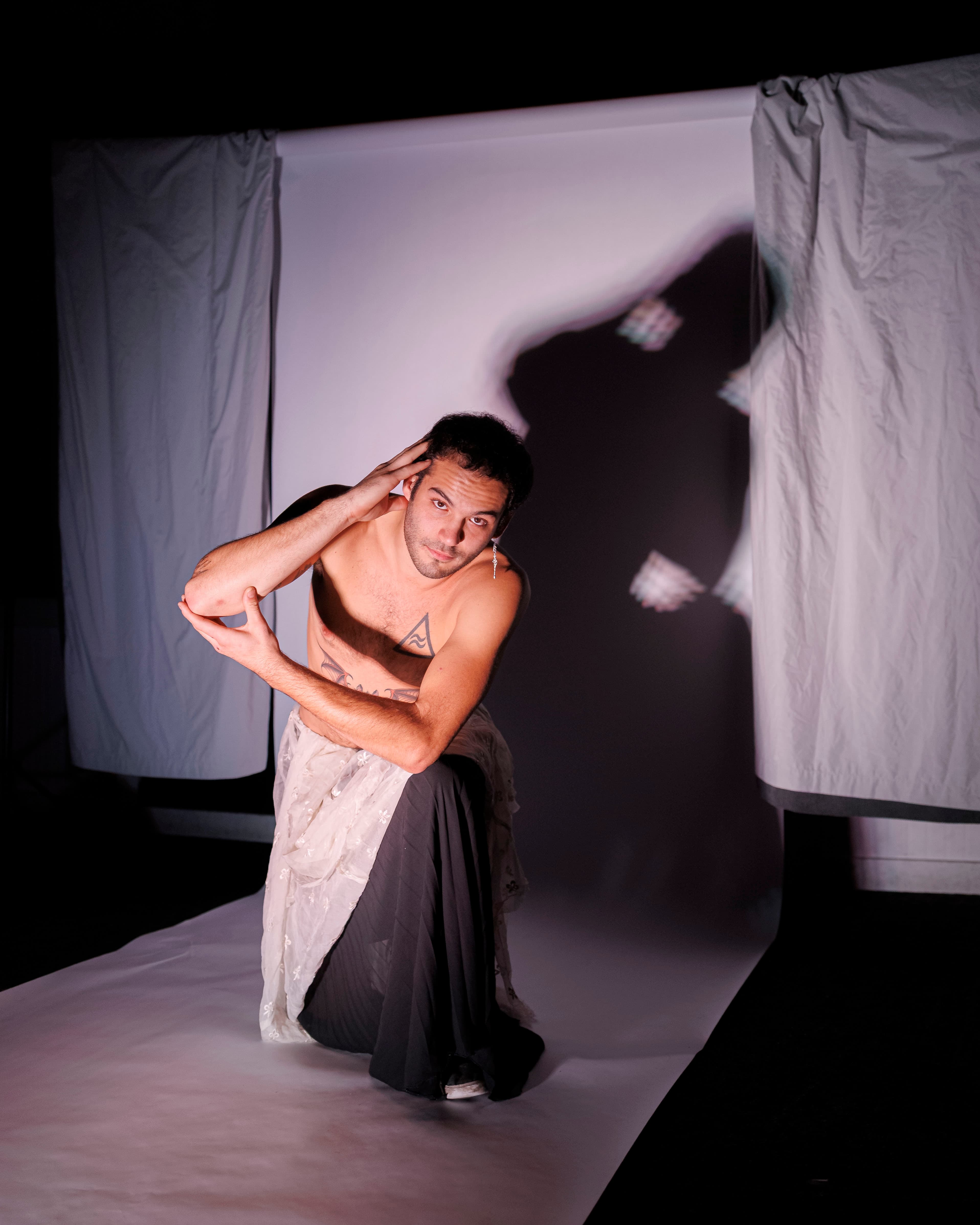
Recording remains a deeply collaborative and in-house process. “We did drums at Brandon’s studio. We did Bass in my studio and at Jake’s house, like at the Feeble room, they have a little practice space. We’re doing all the guitars in my studio, and then we’re going to do vocals. We’re probably going to build a vocal booth in Jake’s apartment… Brandon (Kaltenbaugh) is going to mix it because he’s a mixing engineer, and I’m going to kick his ass and give him notes… Somebody else will master it… the last record, Noah Summers mixed and mastered it, which was great, but a different perspective gives a more diverse picture.”
The new record, featuring Orsini’s current group, The Draft, captures a refined vision. “The last record, with the Inebriators, was the capstone of the whole era of Death Club. That was the last thing I ever made in that room. That whole era felt like fuck around and find out, like we had to figure it out. The old lineup, the Inebriators, we started writing songs that are now also on this album, so this album encapsulates a bunch of different aspects of the last seven years of my life—songs with the old lineup, songs just with me, Brandon, and Jake, songs with Kenzy’s input… It’s like we know what we’re doing to an extent, so now how do we intentionally do what we want to do with it?… I do feel like it’s the best thing I’ve done yet with all of them.”
Yet Orsini’s perspective on music transcends production. For him, the most meaningful impact comes from connection with the scene. “What makes me happy is when I see the connections that are built. You know when you like meet somebody or you have moments in your life that inspire you? I've been able to see that happen to people from shit that like me or my friends have done… you get a couple people like that, you get one person to tell you something like that, you’re like, “Well this is what I’m doing the rest of my life.” Crowds are exciting, but it’s also kind of a novelty. What you’re doing just in practice or in a basement show versus in front of a bunch of people, once you do it a bunch it’s like they’re the exact same thing. It’s more about the impact it has on people individually. Shit saved my life. Rock and roll saved my life.”
The new record, featuring Orsini’s current group, The Draft, captures a refined vision. “The last record, with the Inebriators, was the capstone of the whole era of Death Club. That was the last thing I ever made in that room. That whole era felt like fuck around and find out, like we had to figure it out. The old lineup, the Inebriators, we started writing songs that are now also on this album, so this album encapsulates a bunch of different aspects of the last seven years of my life—songs with the old lineup, songs just with me, Brandon, and Jake, songs with Kenzy’s input… It’s like we know what we’re doing to an extent, so now how do we intentionally do what we want to do with it?… I do feel like it’s the best thing I’ve done yet with all of them.”
Yet Orsini’s perspective on music transcends production. For him, the most meaningful impact comes from connection with the scene. “What makes me happy is when I see the connections that are built. You know when you like meet somebody or you have moments in your life that inspire you? I've been able to see that happen to people from shit that like me or my friends have done… you get a couple people like that, you get one person to tell you something like that, you’re like, “Well this is what I’m doing the rest of my life.” Crowds are exciting, but it’s also kind of a novelty. What you’re doing just in practice or in a basement show versus in front of a bunch of people, once you do it a bunch it’s like they’re the exact same thing. It’s more about the impact it has on people individually. Shit saved my life. Rock and roll saved my life.”
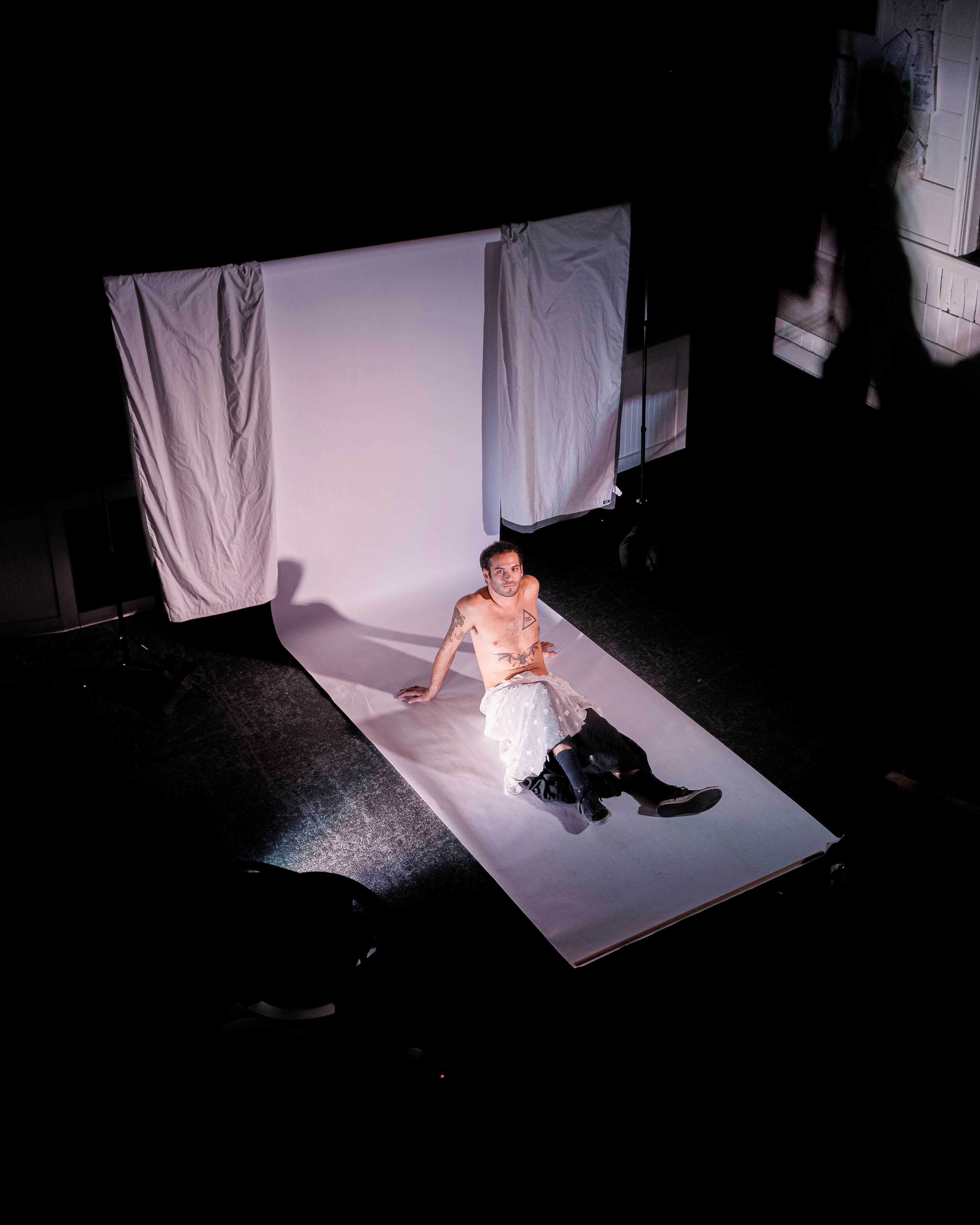
At the core, Giovanni Orsini’s story is one of resilience, authenticity, and relentless creativity. From the roof parties and DIY chaos to recording in makeshift studios and mentoring other musicians, he exemplifies what it means to build not just music, but a scene. “Everything has to feel natural. If it doesn’t feel natural I have a very difficult time with it personally… I have a very hard time, for better or worse, faking it with people.”