

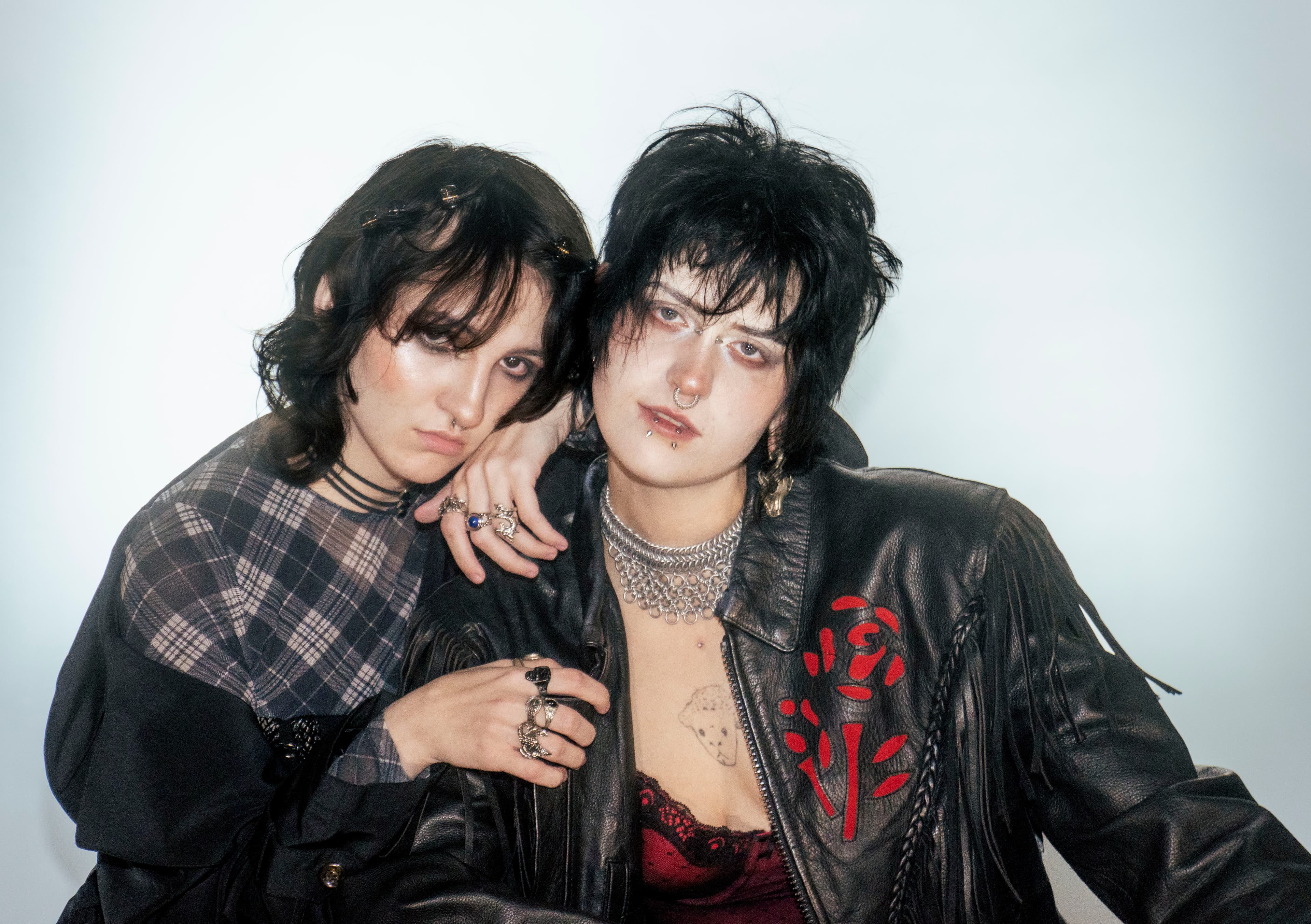
Grunge is back. One look at TikTok (or out the window) will show Gen Z wearing layered flannel, frayed jeans, and combat boots. Nirvana’s “Something in the Way” was used in a trailer for “The Batman” in 2020, after which it debuted at number two on Billboard’s US Rock Digital Songs Chart. The 2024 show “Dexter: Original Sin” featured “Man in the Box” by Alice in Chains in an episode, while “Fortnite” added Soundgarden's “Black Hole Sun” to its in-game music library the same year. On the local level, Pittsburgh grunge band Old Ways released their second EP in April 2024, with two more planned for 2026. In June 2025, David Peterson and his Alice in Chains tribute band played to an audience of 200 at PBR Cowboy Bar in Live! Casino Pittsburgh.
What’s behind the resurgence? Perhaps it’s the accessibility of thrift stores and Depop. Perhaps it’s a reaction to ’80s nostalgia, social media burnout, or concerns of political oppression. There’s also the genre’s technical depth and earnest lyrics. But what has undeniably played a part is the closeness and faithfulness of the grunge community. It began as a local scene, and it remained one–even as the entire world tuned in. For some people, this instilled a lifelong devotion, one that introduces new fans to the genre to this day.
What’s behind the resurgence? Perhaps it’s the accessibility of thrift stores and Depop. Perhaps it’s a reaction to ’80s nostalgia, social media burnout, or concerns of political oppression. There’s also the genre’s technical depth and earnest lyrics. But what has undeniably played a part is the closeness and faithfulness of the grunge community. It began as a local scene, and it remained one–even as the entire world tuned in. For some people, this instilled a lifelong devotion, one that introduces new fans to the genre to this day.
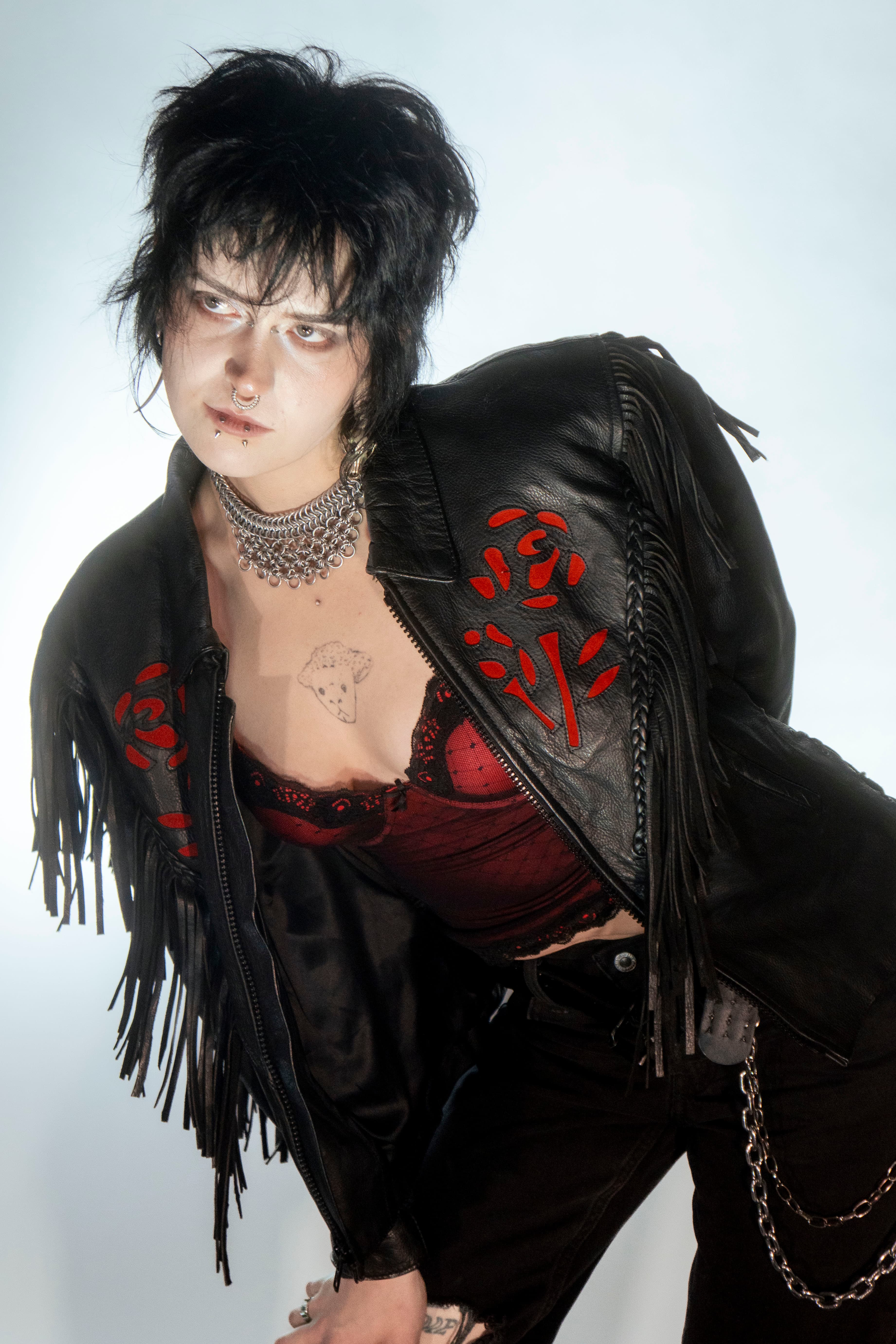
In the mid ’80s, Seattle bands began mixing hardcore punk and heavy metal. The most famous of these were the Melvins, who took the aggression of punk and slowed it down into a sludgy, pummeling sound (Kurt Cobain notably managed the band’s equipment during this period). Not long after, some bands combined this style with the melody of ’70s arena rock. Between the blaring guitars and thundering drums, there were anthemic choruses reminiscent of Led Zeppelin and Aerosmith. This was the genre that would eventually be called grunge, and it had something for everyone. Punk fans liked the edge, metal fans liked the volume, rock fans liked the energy, and pop fans liked the hooks.
It was also grounded in strong musical technique, according to Peterson, who cites the unique chord changes and interplay between guitar and bass as examples. Soundgarden even experimented with time signatures: “Get On The Snake” and “Never the Machine Forever” are both in 9/4. But despite the originality, accessibility, and quality, it would take time for grunge to catch on outside Seattle.
It was also grounded in strong musical technique, according to Peterson, who cites the unique chord changes and interplay between guitar and bass as examples. Soundgarden even experimented with time signatures: “Get On The Snake” and “Never the Machine Forever” are both in 9/4. But despite the originality, accessibility, and quality, it would take time for grunge to catch on outside Seattle.
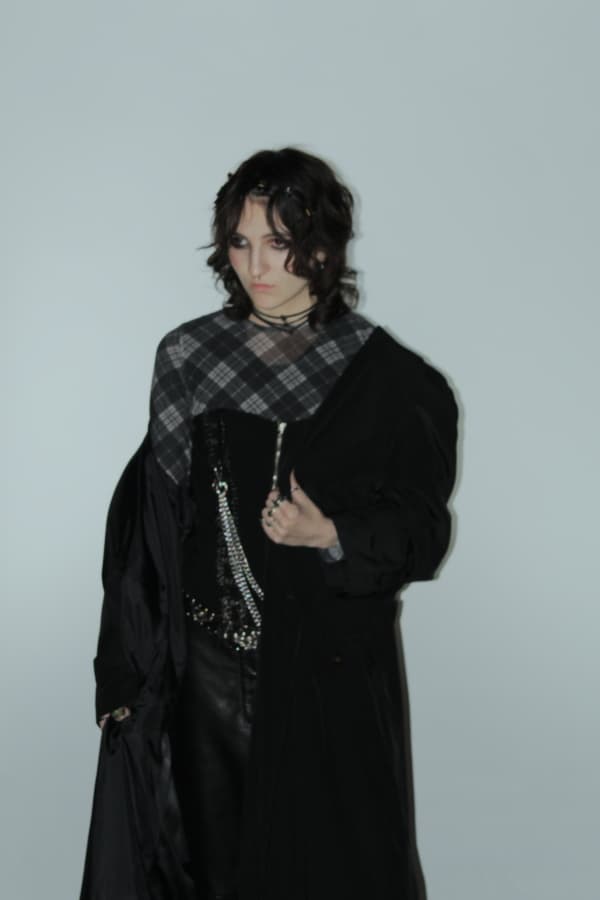
In 1986, Bruce Pavitt and Jonathan Poneman founded the Seattle record label Sub Pop, named after Pavitt’s former indie magazine Subterranean Pop. Pavitt believed there were local scenes “below the surface” of the American mainstream that had the potential to be huge if they could just break out. The Seattle scene was his first attempt at proving this.
In its earliest years, Sub Pop had eight employees, one van, and was often strapped for cash. As the artists it signed (Nirvana, Soundgarden, and Mudhoney, to name a few) became popular with locals, things grew hectic, but the vibe remained intimate. Artists and fans constantly visited and called the office. Bands played their demos for employees to critique, and some band members helped the label package orders.
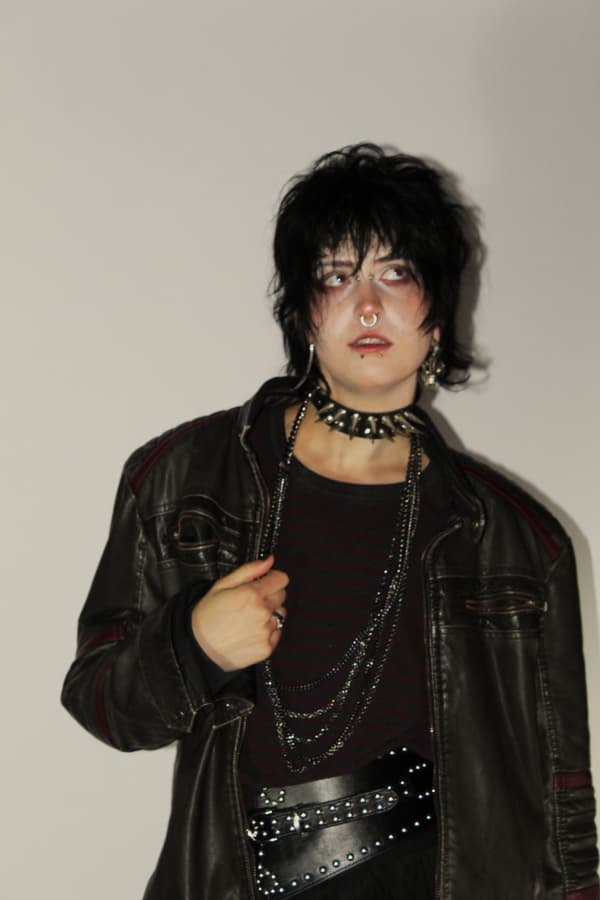
Megan Jasper, Sub Pop’s receptionist at the time and its current CEO, says the grunge look was born from the realities of living in Seattle. The thermals, layers, and boots helped with the cold and rain, while the flannel came from the lumber industry’s presence in the area. Nowadays, this kind of clothing is found in thrift stores—fitting for the “anti-fashion,” as Tad bassist Kurt Danielson calls it. People can look grunge cheaply and easily. And when people get into the clothes, they get into the music.
In its earliest years, Sub Pop had eight employees, one van, and was often strapped for cash. As the artists it signed (Nirvana, Soundgarden, and Mudhoney, to name a few) became popular with locals, things grew hectic, but the vibe remained intimate. Artists and fans constantly visited and called the office. Bands played their demos for employees to critique, and some band members helped the label package orders.
Megan Jasper, Sub Pop’s receptionist at the time and its current CEO, says the grunge look was born from the realities of living in Seattle. The thermals, layers, and boots helped with the cold and rain, while the flannel came from the lumber industry’s presence in the area. Nowadays, this kind of clothing is found in thrift stores—fitting for the “anti-fashion,” as Tad bassist Kurt Danielson calls it. People can look grunge cheaply and easily. And when people get into the clothes, they get into the music.
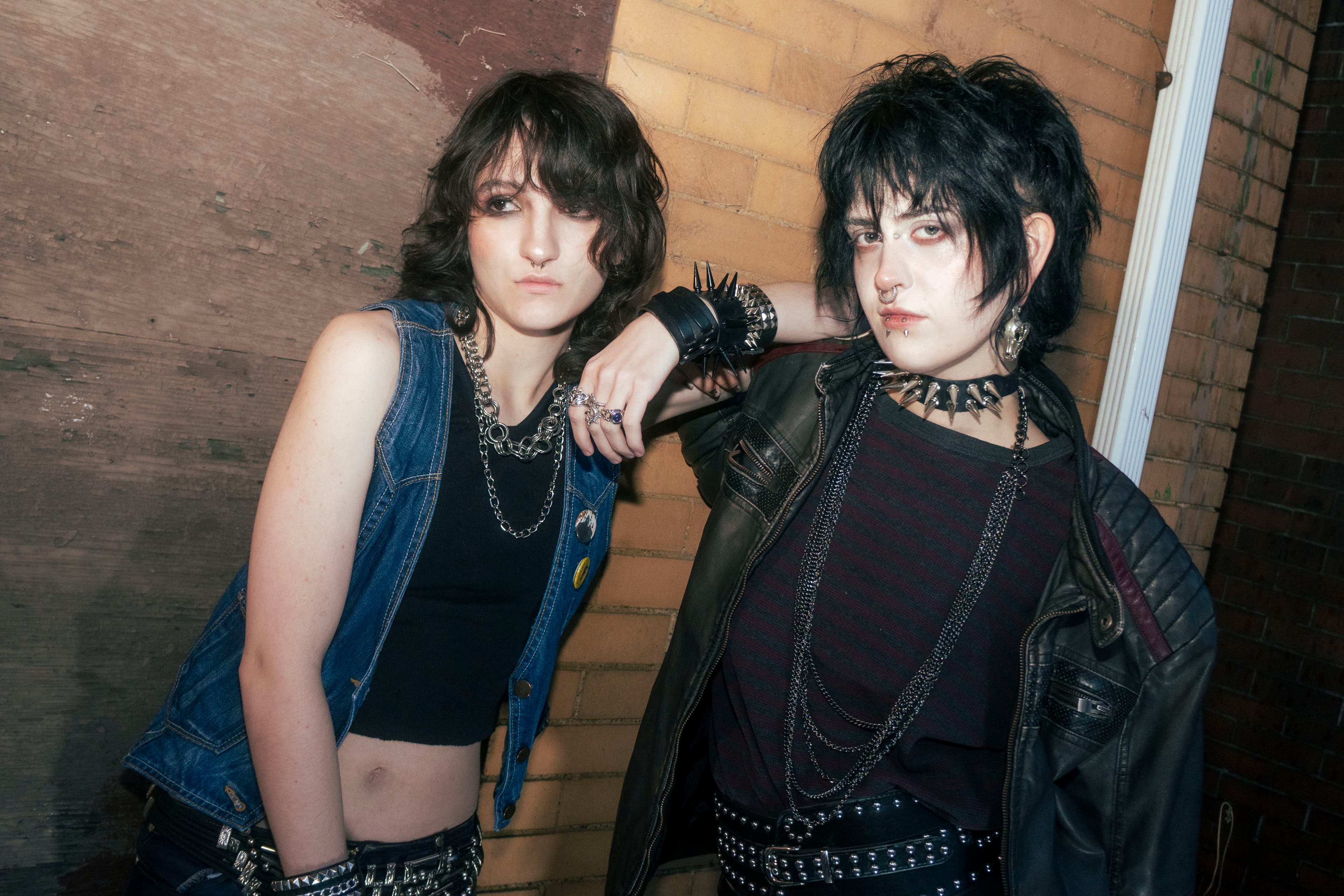
Grunge found widespread success in Europe before America. In 1989, Mudhoney played massive shows in the U.K. and Germany and got airtime on John Peel’s BBC Radio 1. Everett True wrote an article about Sub Pop for British magazine Melody Maker. While the word “grunge” had been used in music journalism since at least the ’70s, True’s use of it in the article (inspired by Sub Pop’s description of one of its bands) led to its increased association with the Seattle sound. Only after all this did The Seattle Times and other local media start paying attention.
When grunge hit the American mainstream in 1991, the cultural shift was nearly overnight, according to Peterson, who lived in California at the time. The music video for “Smells Like Teen Spirit” premiered on MTV in September and was so popular the channel soon had it in heavy rotation. Three iconic albums were released just weeks apart: “Ten” by Pearl Jam (Aug. 27), “Nevermind” by Nirvana (Sept. 24), and “Badmotorfinger” by Soundgarden (Oct. 8). In January 1992, “Nevermind” reached No. 1 on the charts, replacing Michael Jackson’s “Dangerous.” That summer, Soundgarden played to an audience of thousands at the Lollapalooza festival, and by the end of the year, all three albums had sold more than two million copies.
When grunge hit the American mainstream in 1991, the cultural shift was nearly overnight, according to Peterson, who lived in California at the time. The music video for “Smells Like Teen Spirit” premiered on MTV in September and was so popular the channel soon had it in heavy rotation. Three iconic albums were released just weeks apart: “Ten” by Pearl Jam (Aug. 27), “Nevermind” by Nirvana (Sept. 24), and “Badmotorfinger” by Soundgarden (Oct. 8). In January 1992, “Nevermind” reached No. 1 on the charts, replacing Michael Jackson’s “Dangerous.” That summer, Soundgarden played to an audience of thousands at the Lollapalooza festival, and by the end of the year, all three albums had sold more than two million copies.

Part of it was how grunge captured the disillusionment of the ’90s. Never before had popular music so unflinchingly explored alienation, abuse, and existential angst. “Sickman” by Alice in Chains describes an addict feeling abandoned and helpless. Soundgarden’s “Fell on Black Days” is based on singer Chris Cornell’s experience with depression. For many people, this provided comfort. “The lyricism can create a sense of belonging for people, where it’s like, ‘I’m not the only person who feels like this,” says Old Ways drummer Jason Connolly. Several people have told Peterson the songs he covers had helped them through dark times. As modern audiences face the same issues, they find comfort in grunge, too.
Like rock-and-roll, punk, and hip-hop before it, grunge became the soundtrack of youth rebellion. Cobain decried sexism and homophobia, and Pearl Jam boycotted Ticketmaster for its monopolistic practices. Artists rejected the “rock star” ideal that had dominated the ’80s, and the icons of grunge, such as Cobain, looked and acted like people you’d find at the grocery store instead of swaggering, sexy musical gods. Sub Pop even printed shirts that said, “Loser” in big blocky lettering.
With society today dominated by the same socioeconomic concerns and celebrity mega-stars, it’s no surprise that grunge—with its empowering, progressive, middle-class appeal—has returned. “This shit is cool,” says Old Ways vocalist Sam McHenry. “It’s never not gonna be cool. There’s always gonna be somebody that picks up a pair of drum sticks or a guitar or wants to shout about something that’s bothering them into a microphone.”
Despite the sudden outside interest, ’90s grunge artists stuck with their own. Nearly every Seattle band worked with the same producer, Jack Endino, for some or most of their careers. Bands often shared or rotated members: Matt Cameron played drums in Skin Yard, Soundgarden, and Pearl Jam, while Dan Peters did in Mudhoney and (briefly) Nirvana. Members of various bands lived together in a group house in central Seattle, dubbed the “Rock Mecca,” where they discussed their upcoming shows. Some artists formed collaborative side projects, such as Mad Season, which consisted of members of Alice in Chains, Pearl Jam, and Screaming Trees.
Helping one another had been central to grunge from the start. When Seattle introduced regulations on venues in 1985, clubs closed and audiences shrank, but bands still went to each other’s shows. A suggestion from Mudhoney’s guitarist inspired Sub Pop’s Singles Club subscription, which helped keep the label financially afloat for years. Vocalist Eddie Vedder only joined Pearl Jam because a friend of the guitarist gave him their demo tape. After Alice in Chains’s manager left, Soundgarden’s manager took them under her wing.
Like rock-and-roll, punk, and hip-hop before it, grunge became the soundtrack of youth rebellion. Cobain decried sexism and homophobia, and Pearl Jam boycotted Ticketmaster for its monopolistic practices. Artists rejected the “rock star” ideal that had dominated the ’80s, and the icons of grunge, such as Cobain, looked and acted like people you’d find at the grocery store instead of swaggering, sexy musical gods. Sub Pop even printed shirts that said, “Loser” in big blocky lettering.
With society today dominated by the same socioeconomic concerns and celebrity mega-stars, it’s no surprise that grunge—with its empowering, progressive, middle-class appeal—has returned. “This shit is cool,” says Old Ways vocalist Sam McHenry. “It’s never not gonna be cool. There’s always gonna be somebody that picks up a pair of drum sticks or a guitar or wants to shout about something that’s bothering them into a microphone.”
Despite the sudden outside interest, ’90s grunge artists stuck with their own. Nearly every Seattle band worked with the same producer, Jack Endino, for some or most of their careers. Bands often shared or rotated members: Matt Cameron played drums in Skin Yard, Soundgarden, and Pearl Jam, while Dan Peters did in Mudhoney and (briefly) Nirvana. Members of various bands lived together in a group house in central Seattle, dubbed the “Rock Mecca,” where they discussed their upcoming shows. Some artists formed collaborative side projects, such as Mad Season, which consisted of members of Alice in Chains, Pearl Jam, and Screaming Trees.
Helping one another had been central to grunge from the start. When Seattle introduced regulations on venues in 1985, clubs closed and audiences shrank, but bands still went to each other’s shows. A suggestion from Mudhoney’s guitarist inspired Sub Pop’s Singles Club subscription, which helped keep the label financially afloat for years. Vocalist Eddie Vedder only joined Pearl Jam because a friend of the guitarist gave him their demo tape. After Alice in Chains’s manager left, Soundgarden’s manager took them under her wing.
As grunge spread beyond Seattle, it brought people together throughout the country. The members of Old Ways—Connolly, McHenry, bassist Eddie Erwin, and guitarist Nick Landon—bonded over a shared interest in grunge and similar genres while growing up in Rochester, Pa. They spent much of their time at the Blue Violet Cafe, where dozens of bands would play for audiences of 100 to 150. “That was our entire life,” Connolly says. “That’s all we did. Hang out there, play shows, jam with each other. You can’t trade that for anything.” The Blue Violet was their Rock Mecca, and it inspired their decision to make music of their own.
Old Ways is now part of a thriving East Coast alternative music scene, where bands don’t repeat the sounds of the ’90s but build on them. McHenry names Strayline., Threaded, and Red Temple Pray as three local bands taking grunge in new directions. He also points to producer Matt Very and engineers Josh Matotek and Lee Rouse as key players supporting the scene’s growth, in much the same way Endino, Pavitt, and others did in Seattle.
As the ’90s went on, popular interest in grunge declined (with pop punk, Britpop, and nu metal taking its place), but the genre continued to influence the music landscape. The balance of aggression and melody and the dark lyricism paved the way for bands such as Linkin Park, Breaking Benjamin, and System of a Down to find massive success in the years to come.
Some people stuck with grunge, though, and still do to this day. Audience members at Peterson's PBR Cowboy Bar show were dancing, and some were even moshing (be on the lookout for more grunge-adjacent events at the venue next winter and spring). At past shows, older concertgoers have thanked Peterson for “keeping it alive.” Many people would bring their kids, and one 18-year-old got up on stage and sang along to every lyric of “Down in a Hole.” This communal atmosphere is all Peterson hopes for. “It’s more about the ‘hang’ than anything,” he says. “Just being around likeminded people that like the same stuff that you like.”
For a brief time, grunge was on top of the world, and then it faded into the background. It’s on the rise again now, and perhaps it’ll fade again in a few years, but there’s a reason it’s returned to the zeitgeist. It touched people, inspired them to come together, to kindle the passion it awoke in them and share that with others. It’s proven itself as something truly timeless. So if you’re a fan, rest assured. Grunge isn’t just back—it’ll never really go away.
Old Ways is now part of a thriving East Coast alternative music scene, where bands don’t repeat the sounds of the ’90s but build on them. McHenry names Strayline., Threaded, and Red Temple Pray as three local bands taking grunge in new directions. He also points to producer Matt Very and engineers Josh Matotek and Lee Rouse as key players supporting the scene’s growth, in much the same way Endino, Pavitt, and others did in Seattle.
As the ’90s went on, popular interest in grunge declined (with pop punk, Britpop, and nu metal taking its place), but the genre continued to influence the music landscape. The balance of aggression and melody and the dark lyricism paved the way for bands such as Linkin Park, Breaking Benjamin, and System of a Down to find massive success in the years to come.
Some people stuck with grunge, though, and still do to this day. Audience members at Peterson's PBR Cowboy Bar show were dancing, and some were even moshing (be on the lookout for more grunge-adjacent events at the venue next winter and spring). At past shows, older concertgoers have thanked Peterson for “keeping it alive.” Many people would bring their kids, and one 18-year-old got up on stage and sang along to every lyric of “Down in a Hole.” This communal atmosphere is all Peterson hopes for. “It’s more about the ‘hang’ than anything,” he says. “Just being around likeminded people that like the same stuff that you like.”
For a brief time, grunge was on top of the world, and then it faded into the background. It’s on the rise again now, and perhaps it’ll fade again in a few years, but there’s a reason it’s returned to the zeitgeist. It touched people, inspired them to come together, to kindle the passion it awoke in them and share that with others. It’s proven itself as something truly timeless. So if you’re a fan, rest assured. Grunge isn’t just back—it’ll never really go away.
Written by Tyler Payne
Photography by Claire Su and Chloe Simpson
Creative Director: Mark Bluemle
Styling: Lily Gerstein & Meghan McTavish, fashion pulled from Hissy Fit Vintage
Makeup: Arlo Macfarland
Talent: Aero Rae & Aelith Gray
BTS/PA: Ariana Tanha
Video: Sol Elsila
Photography by Claire Su and Chloe Simpson
Creative Director: Mark Bluemle
Styling: Lily Gerstein & Meghan McTavish, fashion pulled from Hissy Fit Vintage
Makeup: Arlo Macfarland
Talent: Aero Rae & Aelith Gray
BTS/PA: Ariana Tanha
Video: Sol Elsila