

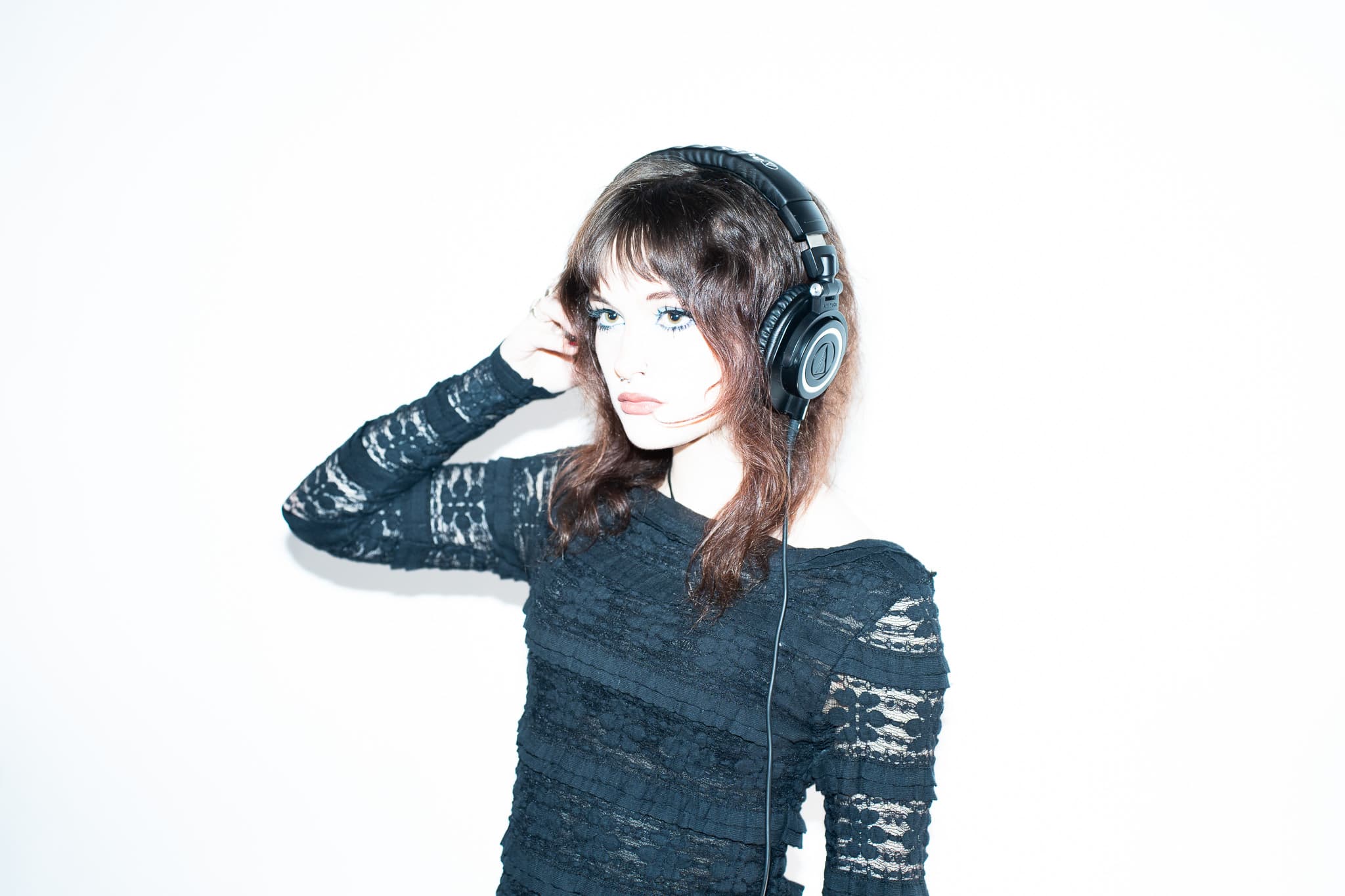
In my attempts to immerse myself in my favorite music, I often found myself gradually increasing the volume in my headphones until it was just one notch below the maximum. With that small vacancy in the audio gauge, I thought I was preserving my hearing. Unfortunately, that wasn’t enough precaution.
I wasn’t aware of my hearing damage (although I had a few suspicions) until a doctor’s appointment. During the hearing exam, I felt confident that I wasn’t missing a beat on their testing cues until I encountered a long, awkward lull.
I sat for quite a while without hearing a thing, wondering if the test was over or if I was missing something. Apparently, I was.
The nurse showed me that I was missing a higher frequency and explained, “Younger people are consistently missing these high frequencies on our hearing exams because of auditory impairment from listening to music through headphones too loudly. Just remember to turn it down.”
I wasn’t aware of my hearing damage (although I had a few suspicions) until a doctor’s appointment. During the hearing exam, I felt confident that I wasn’t missing a beat on their testing cues until I encountered a long, awkward lull.
I sat for quite a while without hearing a thing, wondering if the test was over or if I was missing something. Apparently, I was.
The nurse showed me that I was missing a higher frequency and explained, “Younger people are consistently missing these high frequencies on our hearing exams because of auditory impairment from listening to music through headphones too loudly. Just remember to turn it down.”

Through a quick Google search, I found that noise-induced hearing loss among young adults is at a record high, and these impairments are irreversible (https://www.nidcd.nih.gov/health/noise-induced-hearing-loss).
Advancing sound technology is interwoven into our upbringings and lifestyles. While audio has been able to increase in volume and quality, awareness around the dangers of exposure to it remains minimal, causing an outbreak of auditory problems.
Even brief exposures to tones over 100 decibels (dB) can cause irreversible impairments. Most modern audio technology can reach maximum volumes of 112 dB or more (https://americanhearing.us/hearing-loss-in-millennials)!
Headphones, car radios, portable speakers, bars, movie theaters, and concert amps have the potential to reach dB levels of 110–120 dB or more. Sustained listening above 80-90 dB can become destructive.
Audio media and listening devices haven’t always been this loud. It all began with the Loudness Wars, during which music producers strategically increased decibel levels on recordings, hoping to get more hits from their songs playing louder on the radio.
Advancing sound technology is interwoven into our upbringings and lifestyles. While audio has been able to increase in volume and quality, awareness around the dangers of exposure to it remains minimal, causing an outbreak of auditory problems.
Even brief exposures to tones over 100 decibels (dB) can cause irreversible impairments. Most modern audio technology can reach maximum volumes of 112 dB or more (https://americanhearing.us/hearing-loss-in-millennials)!
Headphones, car radios, portable speakers, bars, movie theaters, and concert amps have the potential to reach dB levels of 110–120 dB or more. Sustained listening above 80-90 dB can become destructive.
Audio media and listening devices haven’t always been this loud. It all began with the Loudness Wars, during which music producers strategically increased decibel levels on recordings, hoping to get more hits from their songs playing louder on the radio.

I guess I should have seen this coming with how much my ears would ring after a nice listening session, but I was still stunned by this discovery of my hearing loss at age 24.
Curious about how widespread this issue was, I researched the nurse’s proposed generational acoustic trauma. Following my deep dive, there was one thing I concluded with certainty.
It is critical that Gen Z and Millennials become more aware of how easy it is to accidentally accrue hearing damage through exposure to loud music.
Curious about how widespread this issue was, I researched the nurse’s proposed generational acoustic trauma. Following my deep dive, there was one thing I concluded with certainty.
It is critical that Gen Z and Millennials become more aware of how easy it is to accidentally accrue hearing damage through exposure to loud music.

Since the 1990s, technology and expectations have reached a point where mastering music like this has become the standard. Audio output devices have followed the trend by selling louder speakers.
Because of the amount of dangerous dB exposure that is possible and common for younger generations, it is important to be aware of the symptoms of hearing damage to look out for.
If you often find yourself asking others to repeat themselves or experience tinnitus (ringing or buzzing in the ears), do not overlook these symptoms. These can be signs of early impairment, and a hearing exam is recommended.
You can protect your hearing while still enjoying musical experiences, whether it’s through headphones or amps, by taking precautions. Hearing professionals recommend the 60/60 rule: no listening to audio over 60% of your listening device’s volume, and take a break from listening every 60 minutes.
Because of the amount of dangerous dB exposure that is possible and common for younger generations, it is important to be aware of the symptoms of hearing damage to look out for.
If you often find yourself asking others to repeat themselves or experience tinnitus (ringing or buzzing in the ears), do not overlook these symptoms. These can be signs of early impairment, and a hearing exam is recommended.
You can protect your hearing while still enjoying musical experiences, whether it’s through headphones or amps, by taking precautions. Hearing professionals recommend the 60/60 rule: no listening to audio over 60% of your listening device’s volume, and take a break from listening every 60 minutes.
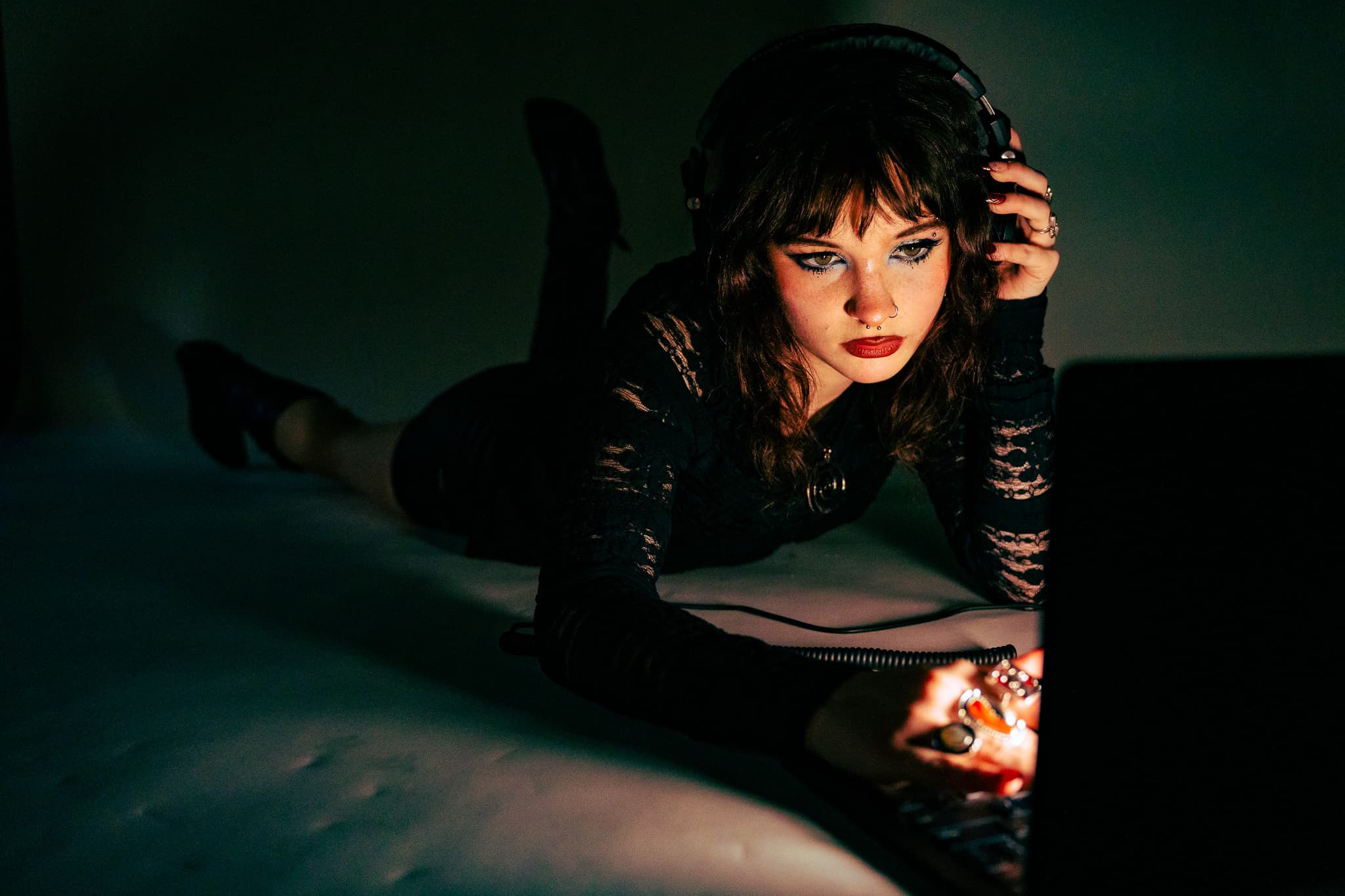
Carrying noise-canceling headphones or earplugs with you can shield your ears from environments that are too loud, like bars, clubs, and concerts. Many modern noise-canceling headphones can protect your ears from outside sound up to 100 dB, so you don’t feel the inclination to boost your volume; this helps in loud environments.
I wish I knew how to defend my ability to hear or how often it was at risk before I took on some hearing damage. Education about noise-induced hearing loss is the best way we can protect ourselves and each other so we can continue to enjoy our music without risking our hearing.
Spread the word!
I wish I knew how to defend my ability to hear or how often it was at risk before I took on some hearing damage. Education about noise-induced hearing loss is the best way we can protect ourselves and each other so we can continue to enjoy our music without risking our hearing.
Spread the word!